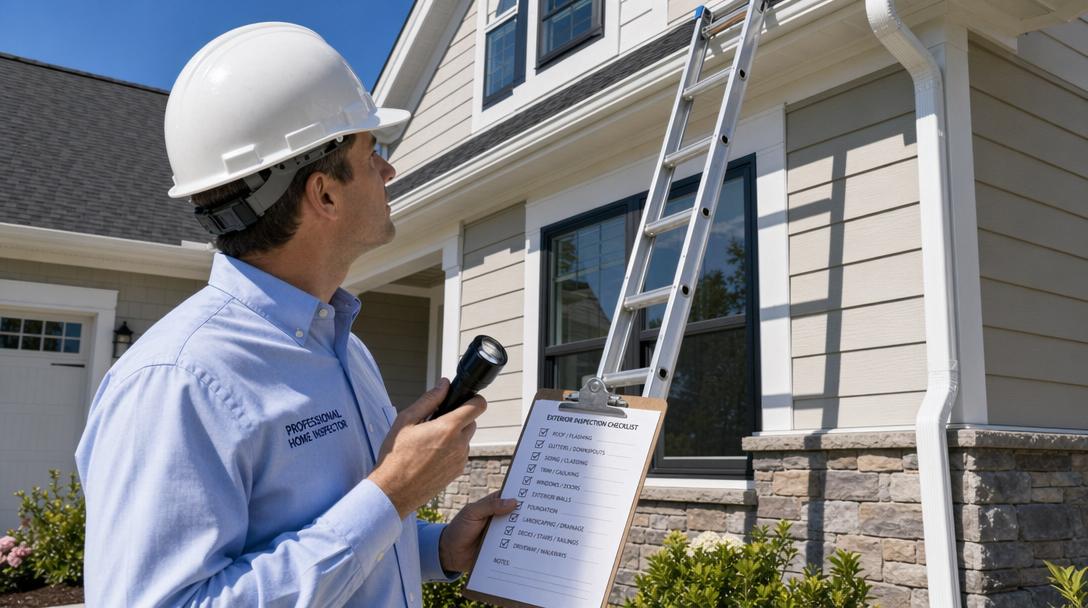
Eighty-six percent of home inspections uncover issues requiring attention, with roof problems (19.7%), electrical defects (18.7%), and window flaws (18.4%) topping the list. A thorough new home inspection checklist isn't just a formality—it's your last chance to avoid costly surprises after closing.
Foundation Cracks Signal Structural Risks
Horizontal cracks in concrete foundations appear in 22% of inspected homes, indicating potential shifting or water intrusion. During a recent inspection in Texas, a 1/4-inch horizontal crack near the garage slab led to discovery of bowed walls requiring $8,000 in repairs. Vertical cracks under 1/8-inch width are usually normal settlement, but any horizontal fractures demand immediate specialist evaluation. Buyers who skip foundation assessments risk structural failure down the line.
Pro Tip: Schedule inspections during dry weather to avoid masking water-related foundation issues.
Roof Issues Top Inspection Defects
Nineteen percent of all inspection reports cite roof problems, from missing shingles to improper flashing. A 2025 inspection in Colorado revealed 15-year-old asphalt shingles with curled edges and exposed nails—a storm damage red flag requiring full replacement costing $12,000. Newer homes aren't immune: 65% of new construction inspections find issues like misaligned drip edges or improperly sealed valleys. Always verify roof age against seller disclosures.
Plumbing Leaks Waste Water and Money
Twelve percent of homes show active plumbing leaks during inspections, with slab leaks under concrete foundations costing $2,000-$15,000 to repair. In a Florida case study, a hidden bathroom leak raised the water bill by 300% over six months before detection. Inspectors check water pressure (should be 40-80 psi), test hot water systems, and look for corrosion on copper pipes—signs of potential pinhole leaks.
Did You Know: Smart water meters can detect leaks as small as 1/10th of a gallon per minute, catching issues inspectors might miss.
Electrical Hazards Hide in Plain Sight
Eighteen percent of inspections flag electrical problems, from overloaded circuits to unsafe wiring. A 2024 inspection in California uncovered a 100-amp service panel trying to power a 2,500 sq ft home with central AC—a fire risk requiring $3,500 panel upgrade. Common oversights include missing GFCI outlets near water sources and improperly grounded three-prong outlets. Never accept a "cosmetic" electrical fix without licensed verification.
HVAC Systems Fail Regularly
Fourteen percent of inspections reveal HVAC issues, including improperly sized units or neglected ductwork. In a recent case, a 5-ton AC unit installed in a 1,800 sq ft home caused humidity problems and mold growth. Inspectors test thermostat responsiveness, check air filter condition, and verify furnace startup sequences. For new builds, confirm the system has been properly charged with refrigerant.
Windows and Doors Leak Energy
Eighteen percent of inspections cite window and door defects causing energy loss. A 2025 inspection in Illinois found 30% of windows had failed thermal seals, creating $150/month heating penalties. New construction homes often have improperly installed window flashing—visible as wrinkled exterior caulking. Test door sweeps for gaps and use a lit incense stick to detect air leaks around closed windows.
Grading Directs Water Away from Foundations
Improper lot grading causes 25% of basement water intrusion cases. During a Chicago inspection, 4 inches of standing water pooled beside the foundation after rain, revealing a 1% negative slope toward the house. The fix required $4,500 in regrading and French drain installation. Check that soil slopes away from the foundation at 6 inches drop per 10 feet horizontally.
New Construction Has Unique Inspection Needs
Sixty-five percent of new homes require post-construction fixes, from misaligned cabinets to incomplete insulation. In a 2026 development, 83% of buyers missed inspecting the garage door opener safety reversal mechanism—a defect later requiring recall repairs. New home buyers should schedule inspections at four critical stages: framing, pre-drywall, pre-paint, and final walkthrough.
Final Walkthroughs Prevent Costly Omissions
Twenty-three percent of buyers skip the final inspection, missing punch list items like damaged drywall or missing outlets. A Seattle buyer who skipped this step discovered $2,800 in landscaping deficiencies post-closing. Use the home inspection checklist to verify all agreed-upon repairs completed, and test appliances included in the sale.
Pro Tip: Bring a contractor to final walkthroughs to assess repair quality on major fixes like roof replacements.
Home inspections reveal $14,000 average negotiation leverage by uncovering hidden defects. Don't just review the report—use the new construction home inspection guide to schedule your third-party evaluation today. A $350 investment could prevent six-figure surprises down the line.
Frequently Asked Questions
What are the most common issues found during home inspections?
Roof problems, electrical defects, and window flaws are the most frequently uncovered issues during home inspections. Eighty-six percent of inspections reveal problems requiring attention before closing.
What do horizontal cracks in a foundation indicate?
Horizontal cracks in concrete foundations can signal potential shifting of the structure or water intrusion. These types of cracks, even small ones, require immediate evaluation by a specialist to prevent structural failure.
Why is proper lot grading important for a home?
Proper lot grading is crucial because it directs water away from the home's foundation. Improper grading can lead to water pooling near the foundation, causing issues like basement water intrusion.
What percentage of new homes require fixes after inspection?
Sixty-five percent of new construction homes require fixes after inspection. These can range from minor issues like misaligned cabinets to more significant problems like incomplete insulation.
When should new home buyers schedule inspections?
New home buyers should schedule inspections at four critical stages: framing, pre-drywall, pre-paint, and the final walkthrough. This multi-stage approach helps catch issues throughout the construction process.
What is the benefit of a final walkthrough?
A final walkthrough prevents costly omissions by allowing buyers to verify that all agreed-upon repairs have been completed and to test appliances included in the sale. Twenty-three percent of buyers who skip this step miss important punch list items.
How much negotiation leverage can a home inspection provide?
Home inspections can provide an average of $14,000 in negotiation leverage. This is achieved by uncovering hidden defects that can then be used to request repairs or price adjustments from the seller.