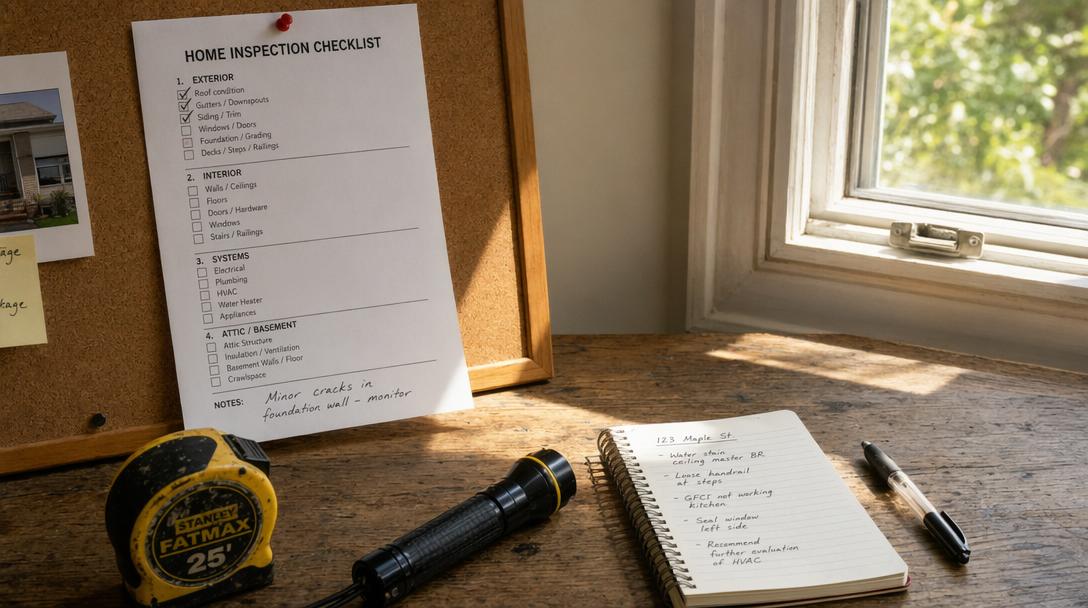
According to the American Society of Home Inspectors, 60% of home buyers request repairs or renegotiate terms based on inspection findings. A well-structured home inspection checklist ensures no critical defect slips through the cracks. This guide walks professionals through building a systemized checklist that covers every structural, mechanical, and safety element required for thorough evaluations.
Step 1: Define Inspection Scope Based on Property Type
Start by outlining the primary inspection categories: structural components, electrical systems, plumbing, HVAC, interior/exterior elements, and safety features. For standard residential properties, use ASHI Standards of Practice as your baseline. Commercial properties or historic homes require specialized addendums. For new construction projects, reference the new construction home inspection guide to include builder-specific quality checks.
Warning: Assuming all properties require identical assessments leads to missed defects. A 100-year-old Victorian will need termite checks and knob-and-tube wiring reviews that modern homes don't require.
Step 2: Prioritize Structural Components
Begin with foundational elements: check for cracks wider than 1/8-inch in concrete foundations, bowing basement walls, and uneven floor slopes. Inspect roof decking, flashing, and shingle condition—pay special attention to valleys and chimney intersections. Don't forget to document window and door alignment; misaligned frames often indicate structural movement.
When evaluating load-bearing walls, carry a 4-foot level to detect vertical deviations exceeding 1/2 inch per 10 feet. A common mistake is overlooking hairline foundation cracks that become major leaks under hydrostatic pressure.
Step 3: Map Electrical System Evaluation Points
Create dedicated sections for service panels (minimum 100-amp capacity), grounding electrodes, and GFCI outlets near water sources. Include testing protocols for three-slot receptacles—using a circuit analyzer confirms proper wiring. For older homes, add a specific item about aluminum branch wiring, which poses fire risks if improperly terminated.
Key Takeaway: Standard checklists often neglect outdoor electrical components. Include weatherproofing checks for exterior outlets and proper clearance around overhead service drops.
Step 4: Standardize Plumbing and HVAC Assessments
List every water fixture requiring flow testing: sinks, tubs, showers, and irrigation systems. Add temperature checks for water heaters—anything exceeding 140°F creates scalding hazards. For HVAC systems, document filter condition, refrigerant line integrity, and heat exchanger operation cycles.
A frequent oversight occurs with water pressure testing: pressures above 80 psi damage appliances but often go unmeasured without a digital gauge. Include this requirement in your checklist specifications.
Step 5: Document Interior and Exterior Details Methodically
Create subsections for flooring (check for squeaks and hollow spots), countertops (inspect for water damage near sinks), and built-in appliances. Exterior items should include grading slope measurements (minimum 6-inch drop over 10 feet from foundation), fence condition, and driveway crack mapping. For decks and porches, add a mandatory ledger board attachment verification point.
Step 6: Integrate Safety Protocols and Limitations
Explicitly state required PPE: hard hats for crawlspace inspections, respirators for potentially mold-infested attics. Include procedures for unsafe conditions—how to handle unpermitted electrical work or active knob-and-tube systems. Add disclaimers about inaccessible areas: "Crawlspace entry denied due to 18-inch clearance" creates legal protection.
Step 7: Finalize Digital Checklist Format
Convert your master list into a customizable template using inspection software. Create conditional fields that adapt to property age—triggering asbestos checklists for pre-1981 buildings or radon testing prompts for slab-on-grade foundations. Test your template with a sample new home inspection checklist to verify workflow efficiency before client use.
A comprehensive checklist streamlines inspections by 40% while reducing post-report callbacks. For specialized scenarios, revisit your template annually to incorporate new safety standards and regional code updates.
Frequently Asked Questions
What percentage of home buyers request repairs after an inspection?
According to the American Society of Home Inspectors, 60% of home buyers request repairs or renegotiate terms based on findings from a home inspection. A thorough inspection helps identify critical defects that might otherwise be missed.
What are the primary categories for a home inspection checklist?
The primary categories for a home inspection checklist include structural components, electrical systems, plumbing, HVAC, interior and exterior elements, and safety features. These categories ensure a comprehensive evaluation of the property.
Why is it important to define the inspection scope based on property type?
Defining the inspection scope based on property type is crucial because different properties have unique needs. For example, a 100-year-old Victorian home requires checks for termite damage and knob-and-tube wiring, which are not typically relevant for modern homes.
What should be prioritized when inspecting structural components?
When inspecting structural components, prioritize foundational elements such as cracks in concrete foundations, bowing basement walls, and uneven floor slopes. Also, inspect roof decking, flashing, shingle condition, and window/door alignment.
What electrical system evaluation points should be included in a checklist?
Electrical system evaluation points should include service panels (minimum 100-amp capacity), grounding electrodes, and GFCI outlets near water sources. Testing protocols for three-slot receptacles and specific checks for aluminum branch wiring in older homes are also important.
What is a common oversight during plumbing and HVAC assessments?
A common oversight during plumbing and HVAC assessments is neglecting water pressure testing. Pressures above 80 psi can damage appliances, but this often goes unmeasured without a digital gauge.
What safety protocols should be integrated into a home inspection checklist?
Safety protocols should include required PPE like hard hats for crawlspace inspections and respirators for potentially mold-infested attics. Procedures for handling unsafe conditions and disclaimers about inaccessible areas should also be included.