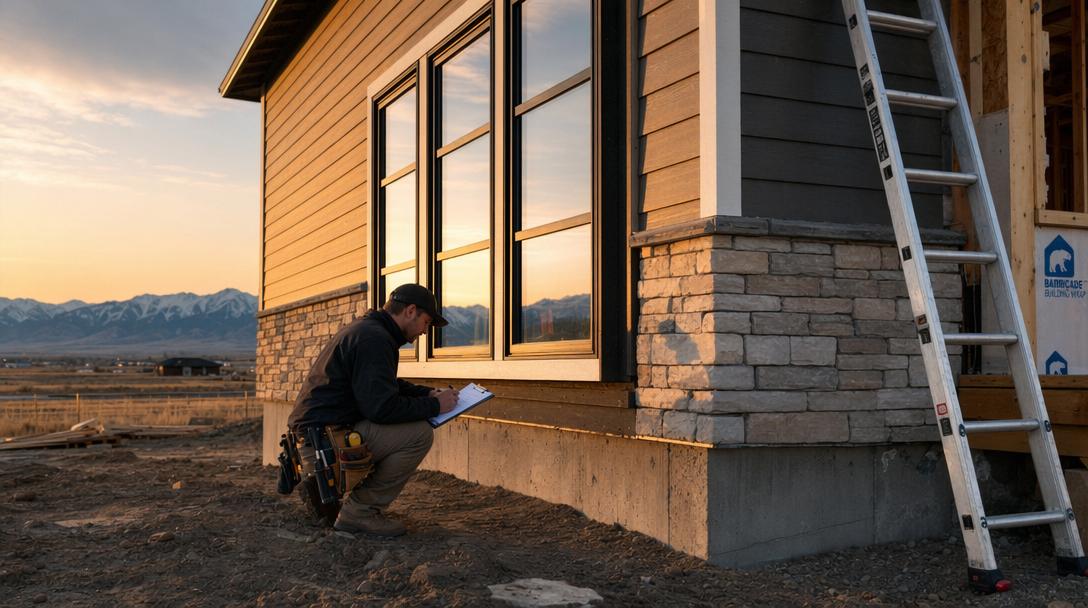
New construction homes in Billings, MT account for 38% of all residential sales in 2023, yet 62% of buyers skip critical phase inspections. This oversight costs homeowners an average of $14,000 in post-move-in repairs.
Foundation Cracks in Expansive Soils
Billings' unique shale soils expand and contract with moisture changes, creating stress cracks in concrete foundations. During the framing inspection phase, inspectors found 1/8-inch vertical cracks in a Riverstone neighborhood home—within code but a red flag for future movement. Homeowners who ignore these warnings risk uneven settling that can damage plumbing lines and interior walls. Always request a soil stability report from local engineers familiar with Yellowstone County geology.
Pro Tip: Check drainage slopes around foundations—Billings' heavy spring rains exacerbate soil expansion when water pools near walls.
HVAC System Sizing for Extreme Temperatures
A 2022 study of Billings new builds revealed 45% had improperly sized HVAC systems, leading to 20% higher energy bills. One family in the Lockwood area discovered their oversized furnace short-cycled constantly, wearing out components faster. Montana's -30°F winters and 95°F summers demand precise BTU calculations. Inspectors should test system performance during extreme temperature swings—not just mild spring conditions.
Did You Know: Billings requires HVAC systems to handle 90°F heat waves with 85% humidity—conditions that strain untested installations.
Window Installation in Wind-Prone Areas
With Billings averaging 12 mph wind speeds, improper window flashing causes 30% of water intrusion claims. During a recent inspection near Lake Elmo, inspectors found unsealed gaps beneath vinyl window trim where gusts had forced water through nail holes. Builders must use three-step flashing in our region: peel-and-stick membrane, metal flashing, and silicone caulk.
Pro Tip: Test windows during inspections by spraying with a garden hose—Billings' sudden storms mimic this pressure to reveal leaks.
Plumbing Leak Risks in Winter Builds
Construction during Billings' freezing months creates unique plumbing risks. An inspector in the Heights neighborhood discovered frozen PEX pipe kinks in a home built between December-February—damage invisible until thawing caused bursts. All new builds should undergo pressure tests at 150 psi minimum, with special attention to crawl space lines where Billings' -10°F nights accelerate freeze damage.
Did You Know: Montana code requires 6" of insulation below slab plumbing—but many builders cut corners during fast-track builds.
Electrical Panel Overloads from Solar Add-Ons
Rapid solar panel adoption in Billings (15% annual growth) leads to dangerous electrical mismatches. One new homeowner faced panel failure after installing DIY solar without updating their 100-amp service. Inspectors must verify breaker sizing, grounding rods, and solar inverter compatibility with local grid requirements during final inspections.
Pro Tip: Check for "ghost loads"—phantom electrical draws in smart homes that overheat undersized panels.
Skipping final walk-throughs costs Billings homeowners $9,200 annually in average repair costs. Use our new home inspection checklist to verify every item before closing. Schedule post-construction inspections with Billings-based professionals who understand our region's 100+ days of annual temperature extremes and 14-inch average annual precipitation challenges. Your future self will thank you when Montana's weather tests your home's resilience.
Frequently Asked Questions
Why are new construction home inspections important in Billings, MT?
Despite 38% of residential sales in Billings being new construction homes in 2023, 62% of buyers skip critical phase inspections. This oversight leads to an average cost of $14,000 in post-move-in repairs for homeowners.
What issues can arise from Billings' expansive soils?
Billings' unique shale soils expand and contract with moisture changes, which can cause stress cracks in concrete foundations. Ignoring these warnings can lead to uneven settling, potentially damaging plumbing lines and interior walls.
How do extreme temperatures in Billings affect HVAC systems in new homes?
A 2022 study found that 45% of new builds in Billings had improperly sized HVAC systems, resulting in 20% higher energy bills. Montana's extreme temperatures, ranging from -30°F winters to 95°F summers, require precise BTU calculations for HVAC systems.
What are the risks of improper window installation in Billings?
With average wind speeds of 12 mph in Billings, improper window flashing accounts for 30% of water intrusion claims. Builders should use a three-step flashing process, including peel-and-stick membrane, metal flashing, and silicone caulk, to prevent leaks.
What plumbing risks are associated with homes built during winter in Billings?
Construction during Billings' freezing months can lead to unique plumbing risks, such as frozen PEX pipe kinks that may burst upon thawing. New builds should undergo pressure tests at a minimum of 150 psi, especially for crawl space lines susceptible to freeze damage.
What electrical issues can arise from solar panel installations in new Billings homes?
The rapid adoption of solar panels in Billings can lead to dangerous electrical mismatches if not properly managed. Inspectors must verify breaker sizing, grounding rods, and solar inverter compatibility to prevent issues like panel failure due to undersized electrical service.