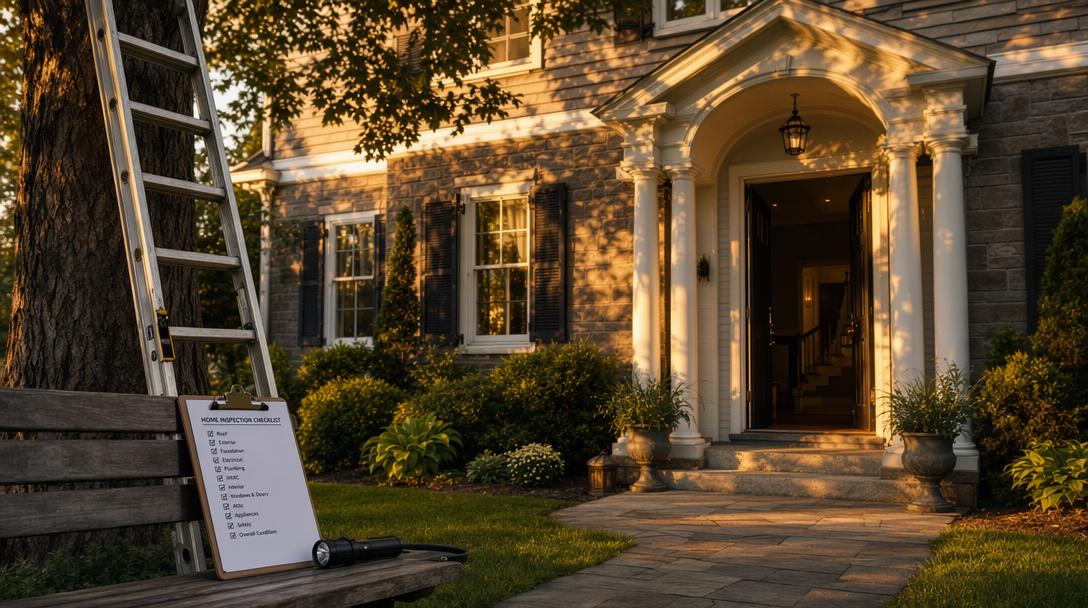
A home inspection reveals critical issues in 96% of real estate transactions, yet many buyers skip steps that could save thousands in repairs. This guide demystifies the process for first-time buyers and seasoned investors alike, ensuring you uncover hidden costs before closing the deal.
Step 1: Hire a Qualified Inspector
Start by vetting credentials through state licensing boards or professional organizations like ASHI. Use a home inspection near me search to find local experts with at least 5 years of field experience. Avoid inspectors offering repair services – this creates a conflict of interest. Pro tip: Ask for sample reports to assess their communication style.
Warning: Don’t assume cost reflects quality. Some $300 inspections miss structural engineers’ evaluations, which are crucial for older homes.
Step 2: Clarify the Inspection Scope
Standard inspections cover 12 major systems including electrical, plumbing, and HVAC. However, specialized assessments for termites, radon, or septic tanks often require separate contractors. Review NAR’s home inspection checklist to identify gaps. For example, most inspectors won’t test irrigation systems or inspect detached structures over 30 feet.
Step 3: Attend the Physical Inspection
Be present during the 2-4 hour evaluation. Ask questions about maintenance history – if the inspector finds fresh paint masking water stains, request documentation of previous leaks. Bring a smartphone to photograph issues like faulty GFCI outlets. This hands-on approach often reveals more than the written report.
Step 4: Analyze the Written Report
Compare findings against a home inspection report sample to ensure clarity. Serious issues like foundation cracks or electrical panel overloads should include repair cost estimates. Watch for vague phrases like "potential concern" – legitimate problems warrant specific remediation steps.
Step 5: Prioritize Repair Negotiations
Focus on safety hazards and major systems first. If the roof has 3+ layers of shingles, request a replacement cost estimate rather than a patchwork fix. Use Rocket Mortgage’s buyer’s checklist to distinguish between negotiable issues and normal wear-and-tear.
Step 6: Conduct a Final Walkthrough
Return to the property 24-48 hours before closing to verify repairs. Test appliances left on-site, like refrigerators or washing machines. If significant issues remain unaddressed, you may have grounds to renegotiate or terminate the contract.
Key Takeaway: A successful inspection isn’t about finding a perfect home – it’s about making informed financial decisions. Always budget 1-3% of purchase price for post-closing maintenance.
Completing this process empowers buyers to negotiate confidently or walk away from money pits. For complex cases like historic homes or commercial properties, consider commissioning a second opinion from specialized engineers or environmental consultants. Understanding these steps transforms inspection reports from daunting documents into powerful negotiation tools.
Frequently Asked Questions
What is the first step in the home inspection process?
The first step is to hire a qualified inspector. You should vet their credentials through state licensing boards or professional organizations and look for local experts with at least five years of field experience.
What should I look for when hiring a home inspector?
When hiring, ensure the inspector is licensed and has at least five years of experience. Avoid inspectors who offer repair services, as this creates a conflict of interest, and ask for sample reports to evaluate their communication style.
What systems are typically covered in a standard home inspection?
Standard home inspections typically cover 12 major systems, including electrical, plumbing, and HVAC. However, specialized assessments for issues like termites, radon, or septic tanks often require separate contractors.
Should I attend the physical home inspection?
Yes, it is recommended to be present during the 2-4 hour evaluation. Attending allows you to ask questions, observe issues firsthand, and often reveals more than what is captured in the written report.
What should I do after receiving the written inspection report?
After receiving the report, analyze it carefully, comparing findings against a sample report for clarity. Prioritize negotiations for safety hazards and major system issues, and distinguish between negotiable problems and normal wear-and-tear.
What is the purpose of a final walkthrough?
A final walkthrough, conducted 24-48 hours before closing, is to verify that any agreed-upon repairs have been completed. It also allows you to test appliances left on-site and confirm the property's condition before finalizing the purchase.
How much should I budget for post-closing maintenance?
It is advisable to budget 1-3% of the purchase price for post-closing maintenance. This helps in making informed financial decisions and prepares you for potential upkeep after moving in.