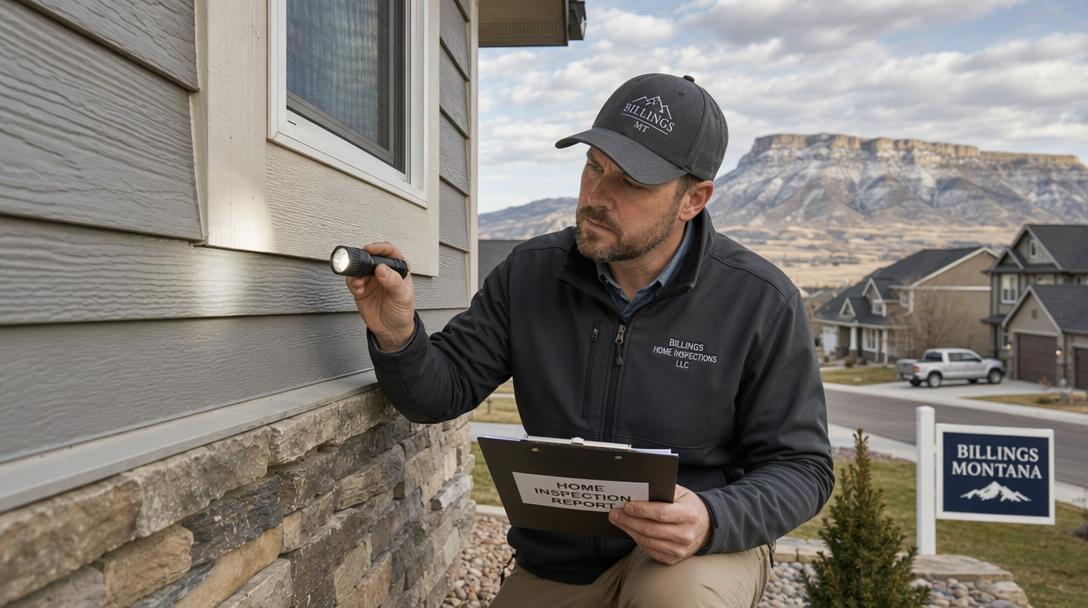
Twenty-three percent of buyer offers collapse due to failed home inspections. In Billings, where harsh winters and variable soil conditions can hide costly defects, a pre-purchase inspection is critical for buyers and sellers. This guide walks you through securing reliable results tailored to local conditions.
Step 1: Schedule the Inspection Early
Contact a Billings-based home inspector with expertise in regional construction styles and climate challenges. Schedule the inspection after signing a purchase agreement but before finalizing financing. Local inspectors familiar with Billings' soil composition and common roof damage from heavy snow will better identify risks unique to Montana properties.
Step 2: Review the Inspection Checklist
Provide your inspector with a checklist covering structural integrity, electrical systems, plumbing, HVAC, and pest infestations. In Billings, inspectors should prioritize checking basement waterproofing (due to seasonal flooding risks) and attic insulation adequacy (to meet Montana energy codes). Ask for clarification if any checklist items aren't addressed during the inspection.
Step 3: Attend the Inspection In Person
Walk through the property with your inspector to observe firsthand. Ask questions about maintenance history specific to Billings homes
- for example, how long the roof has lasted under heavy snow loads. Take photos of any identified issues. Sellers should ensure buyers have clear access to all areas, including furnace rooms and crawl spaces common in older Billings neighborhoods.
Warning: Skipping the on-site walkthrough means missing critical context about repair urgency. One Billings buyer ignored a leaking garage foundation crack during inspection, only to discover $8,000 worth of structural repairs needed after closing.
Step 4: Analyze the Report and Negotiate Repairs
Review the 20-40 page report detailing defects and safety hazards. Focus on major issues like electrical panel upgrades required by Billings County codes or radon mitigation needs (Montana ranks 4th nationally for radon levels). Use findings to negotiate repairs, price reductions, or escrow agreements. Sellers can preemptively address common Billings issues like outdated plumbing in homes built before 1980.
Step 5: Address Follow-Up Actions
Complete agreed repairs with Billings-licensed contractors familiar with local building codes. For complex problems like failing sewer lines (a known issue in older subdivisions like South Side), get multiple bids. Buyers should consider post-purchase home inspections within 6 months of moving in to catch seasonal issues like roof ice dam leaks.
Key Takeaway: A thorough pre-purchase inspection in Billings can save thousands in repair costs and prevent deal collapses. Always verify inspectors' familiarity with regional challenges like expansive soils and extreme temperature fluctuations.
By completing this process, you'll gain confidence in your Billings property transaction. Consider pairing pre-purchase findings with post-purchase home inspection services to create a comprehensive maintenance plan for Montana's demanding climate.
Frequently Asked Questions
Why is a pre-purchase home inspection crucial in Billings?
A pre-purchase home inspection is critical in Billings due to harsh winters and variable soil conditions, which can conceal expensive defects. These local environmental factors make identifying potential issues before purchase especially important for both buyers and sellers.
When should a home inspection be scheduled?
The home inspection should be scheduled after the purchase agreement has been signed but before the financing is finalized. This timing allows for any identified issues to be addressed in negotiations without delaying the loan process.
What specific issues should be prioritized during a Billings home inspection?
In Billings, inspectors should prioritize checking basement waterproofing due to seasonal flooding risks, and attic insulation adequacy to meet Montana energy codes. They should also be familiar with local construction styles and climate challenges like heavy snow loads and expansive soils.
Why is it important to attend the home inspection in person?
Attending the inspection in person allows you to observe issues firsthand and ask questions about maintenance history, such as how long a roof has lasted under heavy snow. This provides critical context about the urgency of repairs that might be missed by only reviewing the report.
What common issues might be found in older Billings homes?
Older Billings homes might have issues like outdated plumbing, especially in homes built before 1980. Additionally, older subdivisions, such as South Side, are known to have problems with failing sewer lines.
What follow-up actions are recommended after a home inspection?
After an inspection, it's recommended to complete agreed-upon repairs using Billings-licensed contractors familiar with local building codes. For complex problems, obtaining multiple bids is advisable, and buyers might consider a post-purchase inspection within six months to catch seasonal issues.