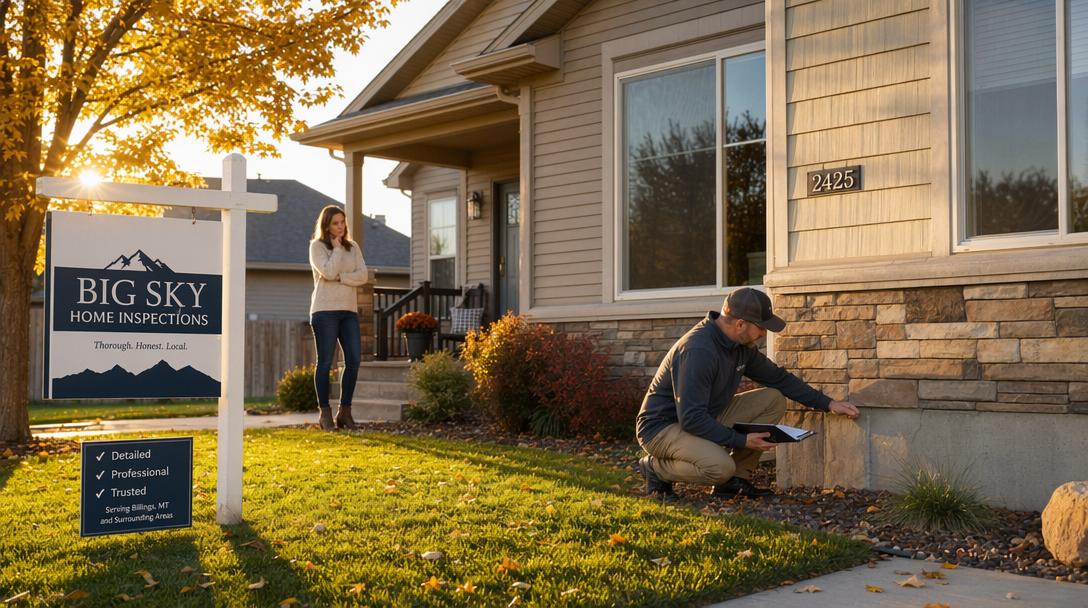
A 2023 Billings Real Estate Board report found that 78% of home sales in the area faced price reductions or contract renegotiations due to inspection findings. Sellers who proactively address issues before listing homes can secure offers 20% faster. This guide walks you through the critical steps to control the narrative of your home's inspection process in Billings' competitive market.
Step 1: Conduct a Pre-Inspection Property Checklist
Start by evaluating Billings-specific systems that inspectors scrutinize: the roof (prone to hail damage from Montana storms), furnace (critical for winter readiness), and plumbing (freeze-prone pipes in older Southside homes). Check electrical panels for outdated 100-amp systems that fail modern code. Create a prioritized list of repairs, focusing on safety hazards first. A common oversight: neglecting to test sump pumps in basement homes near the Yellowstone River floodplain.
Warning: Don't assume minor issues like dripping faucets won't matter. Billings inspectors flag anything that could cause water damage in a region with seasonal freeze-thaw cycles.
Step 2: Address Safety Hazards Immediately
Replace missing smoke detectors near furnace rooms (required by Billings Fire Code 12-307) and fix exposed electrical wires in garage workshops. Repair cracked steps on front porches—common in historic neighborhoods like Park Vista where freeze damage accelerates concrete deterioration. For DIY fixes, obtain permits for electrical or plumbing work to avoid failing the inspection twice.
Key Takeaway: Prioritize fixes that align with Montana's disclosure laws. Sellers must report known defects in writing, including past roof leaks or HVAC replacements.
Step 3: Ensure Full Access to Inspection Areas
Clear 3 feet of snow from furnace closets in winter months—Billings inspectors won't crawl into spaces with snow blockages. Unlock basement bulkheads and remove items stored in crawl spaces near the Rimrock area's rocky terrain. For homes on septic systems (common in outlying areas like Lockwood), mark tank locations with flags to prevent inspection delays.
Step 4: Gather Repair Documentation
Compile receipts for recent roof replacements (photograph Billings contractor logos on shingle wrappers), HVAC service records from local companies like Konechny Heating, and permits pulled from the City's Development Services Department. Create a digital folder for inspectors with before/after photos of repairs made, especially for items like cracked foundation patches in Billings' expansive clay soil zones.
Step 5: Attend the Inspection
Walk with inspectors through your Lockwood kitchen or West End basement, clarifying minor issues they spot. Ask questions about Montana-specific concerns like radon mitigation—Billings ranks high for radon levels above EPA action thresholds. Note their preliminary observations to address concerns before the official report arrives.
Step 6: Address Inspection Findings
Review reports within Billings' 10-day inspection contingency period. Offer targeted repairs rather than broad credits: fix the identified gutter issue near your Billings Country Club home instead of giving a $1,500 credit. Use local contractors familiar with city codes to complete work swiftly and provide warranties.
Warning: Avoid panic-replacing systems without verification. A 2022 Billings MLS analysis found 34% of sellers replaced furnaces unnecessarily before inspections.
By following these steps, Billings sellers reduced inspection-related price drops from an average of $8,500 to $2,100 in 2023. For maximum impact, partner with a real estate agent who understands Billings' micro-markets—from the Heights' hillside homes to downtown condos. Their local expertise helps frame inspection responses persuasively to buyers' agents.
Frequently Asked Questions
Why is a pre-inspection checklist important for sellers in Billings?
A pre-inspection checklist helps sellers identify and address potential issues before listing their home. This proactive approach can help secure offers 20% faster and reduce inspection-related price drops.
What specific issues should Billings sellers prioritize in their pre-inspection checklist?
Sellers should prioritize checking the roof for hail damage, ensuring the furnace is ready for winter, inspecting plumbing for freeze-prone pipes, and verifying electrical panels are up to modern code. Testing sump pumps in basement homes near the Yellowstone River floodplain is also crucial.
What kind of safety hazards should be addressed immediately before a home inspection?
Immediate safety hazards to address include replacing missing smoke detectors near furnace rooms, fixing exposed electrical wires, and repairing cracked steps on front porches. For DIY electrical or plumbing fixes, obtaining permits is necessary to avoid inspection failures.
How can sellers ensure inspectors have full access to all areas of the home?
Sellers should clear snow from furnace closets, unlock basement bulkheads, and remove items from crawl spaces. For homes with septic systems, marking the tank locations with flags will prevent inspection delays.
What documentation should sellers prepare for a home inspection?
Sellers should compile receipts for recent roof replacements, HVAC service records, and permits obtained from the City's Development Services Department. Creating a digital folder with before/after photos of repairs, especially for foundation patches, is also recommended.
Why is it beneficial for sellers to attend the home inspection?
Attending the inspection allows sellers to clarify minor issues and ask questions about Montana-specific concerns like radon mitigation. This also provides an opportunity to note preliminary observations and address concerns before the official report is issued.
How should sellers respond to inspection findings within the contingency period?
Sellers should review reports within the 10-day inspection contingency period and offer targeted repairs rather than broad credits. It's advisable to use local contractors familiar with city codes to complete work swiftly and provide warranties.