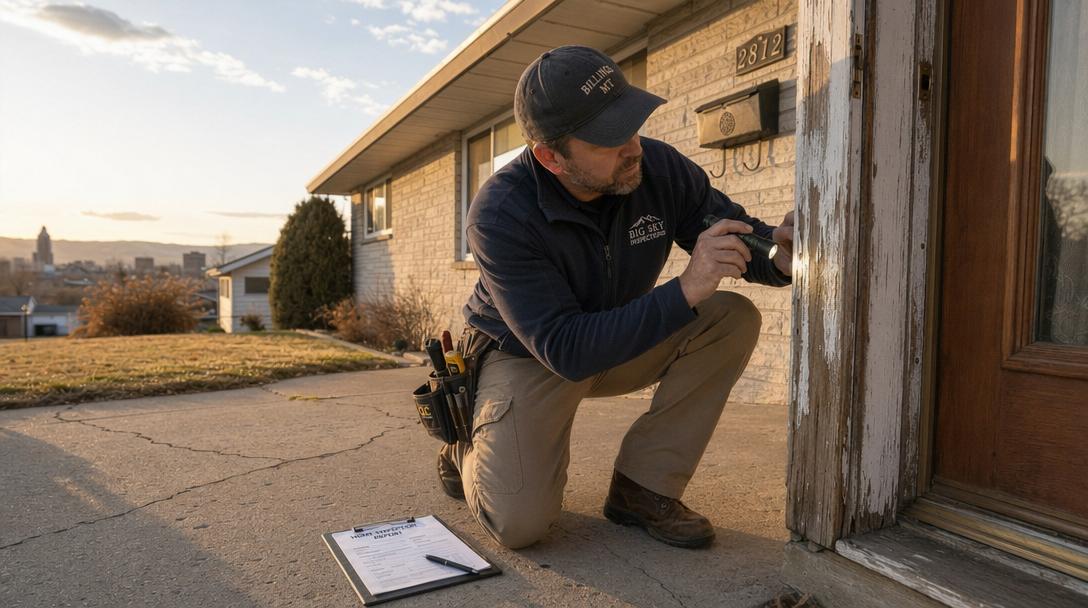
In Billings, MT, 78% of home sales in 2023 included negotiated repairs stemming from inspection reports. As a real estate agent, mastering the inspection process isn't just about identifying issues—it's about protecting clients, maintaining trust, and closing deals efficiently. This guide provides actionable steps to streamline inspections, mitigate risks, and position yourself as a trusted advisor.
Step 1: Select the Right Inspector for Billings' Market
Billings' housing stock includes everything from historic Craftsman homes in the West End to modern developments near the Yellowstone River. Choose inspectors who understand local construction trends, climate impacts (like freeze-thaw cycles), and municipal codes. Verify certifications (ASHI or InterNACHI) and request references from agents who've sold similar properties. For luxury listings, use inspectors trained in home inspection for luxury homes, while older properties near downtown may require specialists in home inspection for older homes.
Warning: Avoid inspectors who offer "discounted" services—subpar reports can lead to missed issues and costly post-closing disputes.
Step 2: Prepare Sellers for Inspection Readiness
Sellers often underestimate preparation needed. Advise them to:
- Clear debris from gutters and sidewalks (common tripping hazards)
- Ensure access to attics, crawlspaces, and mechanical systems
- Repair obvious safety issues (e.g., loose railings, exposed wiring) For manufactured homes on the east side of Billings, confirm skirting is intact and piers are stable. A common mistake: forgetting to test sump pumps in basements—a critical step during Billings' rainy springs. Share a pre-inspection checklist to avoid delays.
Step 3: Attend the Inspection and Document Findings
Be present to ask questions in real time. Focus on Billings-specific concerns: check for mold in crawlspaces (a problem in older homes), inspect irrigation systems in yard-heavy properties, and verify proper insulation in attics (critical for winter). Photograph issues like cracked foundation seams near the Rimrock area. For mobile homes in subdivisions like Southside Trailer Park, ensure compliance with manufactured home inspection standards.
Step 4: Translate Technical Reports for Clients
Inspection reports overwhelm clients with jargon. Summarize key points using layman's terms. For example, explain "thermal bridging" in older Billings homes as "cold spots that waste heating dollars." Prioritize safety hazards first (e.g., faulty electrical panels), then cost-prohibitive repairs. Use comparative data: if a roof in Billings needs replacement, note the average $8,500 cost versus $12,000 in Bozeman to contextualize negotiations.
Step 5: Negotiate Repairs Strategically
Billings' competitive market requires finesse. For minor issues (e.g., leaky faucets), suggest sellers make repairs pre-listing. For major concerns like failing HVAC systems in winter, propose credits or price reductions. Avoid blanket demands—prioritize repairs that impact safety or value. Example: A buyer in the prestigious Shiloh neighborhood accepted a $15,000 credit for foundation repairs rather than a price cut, keeping the deal intact.
Key Takeaway: Always frame negotiations around the property's resale value in Billings' market to justify requests.
Step 6: Finalize the Transaction with Confidence
Verify all agreed-upon repairs are completed. For plumbing fixes in older homes, request receipts for materials meeting Montana's plumbing code. Re-inspect critical systems (e.g., radon mitigation in basement-heavy Billings homes) before closing. Share a post-inspection summary with clients to reinforce your expertise and close with confidence.
Successfully navigating Billings' home inspections builds client loyalty and referral potential. Maintain a network of trusted inspectors and update your checklist annually to reflect local trends—like the rise in modular homes near the airport, which require specialized modular home inspection knowledge.
Frequently Asked Questions
Why is mastering the home inspection process important for real estate agents in Billings, MT?
Mastering the inspection process is crucial for real estate agents in Billings because 78% of home sales in 2023 involved negotiated repairs based on inspection reports. This expertise helps agents protect clients, maintain trust, and close deals more efficiently.
What should real estate agents consider when selecting a home inspector in Billings?
Agents should choose inspectors who understand local construction trends, climate impacts like freeze-thaw cycles, and municipal codes. It's also important to verify certifications (ASHI or InterNACHI) and request references from agents who have sold similar properties.
How can real estate agents prepare sellers for a home inspection?
Agents should advise sellers to clear debris, ensure access to attics, crawlspaces, and mechanical systems, and repair obvious safety issues. Sharing a pre-inspection checklist can help avoid delays and ensure readiness.
Why should real estate agents attend the home inspection?
Attending the inspection allows agents to ask questions in real time and focus on Billings-specific concerns, such as checking for mold in crawlspaces or verifying insulation. It also provides an opportunity to document findings, like photographing cracked foundation seams.
How should agents explain technical inspection reports to clients?
Agents should summarize key points using layman's terms, prioritize safety hazards, and then address cost-prohibitive repairs. Using comparative data, such as the average cost of a roof replacement in Billings versus other cities, can help contextualize negotiations.
What is a strategic approach to negotiating repairs based on inspection findings?
For minor issues, agents can suggest sellers make repairs pre-listing, while for major concerns, proposing credits or price reductions is effective. It's important to prioritize repairs that impact safety or value and frame negotiations around the property's resale value.
What final steps should agents take after repairs are agreed upon and before closing?
Agents should verify that all agreed-upon repairs are completed and request receipts for materials, especially for plumbing fixes. Re-inspecting critical systems, like radon mitigation, and sharing a post-inspection summary with clients helps ensure a confident closing.