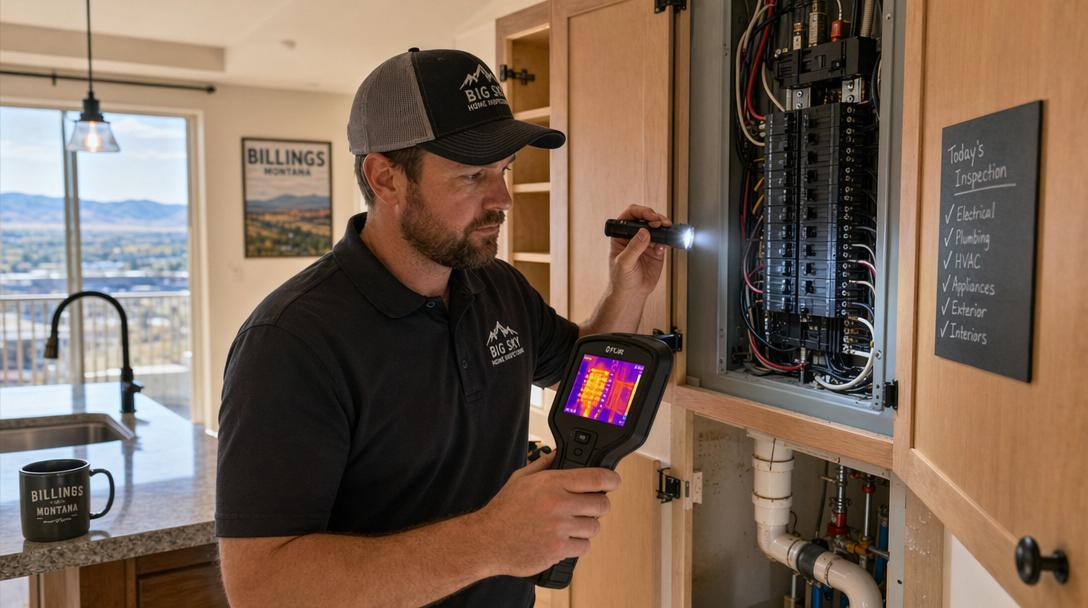
Condo buyers in Billings, MT spend an average of $180,000 on units, but 40% skip critical inspection steps that could reveal hidden defects. Condo inspections differ from single-family home evaluations due to shared ownership structures and unique building systems. Understanding what to prioritize ensures you avoid six-figure repair bills after closing.
Test HVAC Functionality Before Finalizing Purchase
Billings' extreme temperature swings—from -10°F winters to 95°F summers—make HVAC reliability non-negotiable. During inspections, verify both heating and cooling systems cycle properly, check air filter cleanliness, and listen for unusual noises. One Billings inspector found a furnace in the Heights neighborhood that operated at 60% efficiency due to neglected maintenance. Takeaway: Request maintenance records dating back five years.
Pro Tip: If the HVAC system shares ductwork with adjacent units, ask the inspector to check for cross-contamination risks from neighboring smoke or odors.
Assess Shared Walls for Soundproofing Issues
Condo living in Billings means thin walls between units—particularly in older complexes like those near Montana State University-Billings. Tap on walls to detect hollow spots (a sign of poor insulation), and check for visible gaps around electrical outlets. A recent inspection in the Rimrock area revealed sound transmission levels exceeding legal limits by 30%. Takeaway: Bring noise complaints to the condo association immediately.
Inspect Balconies for Water Damage and Structural Integrity
Montana’s freeze-thaw cycles wreak havoc on balcony surfaces. Examine railings for rust bleed stains, check floor slopes for proper drainage, and probe corners for soft spots. Inspectors in Billings routinely find balcony membranes compromised after heavy spring snowmelt. Takeaway: Request repair quotes before closing if damage exceeds $5,000.
Did You Know: Condo associations in Billings often have waiting lists for balcony repairs due to limited reserve funds. Prioritize units with recently replaced membranes.
Review Condo Association Documentation for Pending Assessments
The Billings condo market averages $2,300 in annual association fees, but unexpected special assessments can double that cost. Request minutes from the past two years’ board meetings to check for planned roof replacements, elevator repairs, or litigation. A 2023 inspection uncovered $15,000 in pending assessments for a downtown Billings unit. Takeaway: Never waive the document review period.
Test Plumbing Fixtures and Hidden Leak Zones
Check water pressure in showers and kitchens, and run water through seldom-used drains like laundry sinks. Inspectors in Billings’ West End neighborhood discovered a slab leak under a unit’s concrete floor—repair costs exceeded $18,000. Takeaway: Ask for the building’s insurance claims history to spot recurring plumbing issues.
Verify Electrical Systems Meet Montana Code
Many Billings condos built before 1995 have outdated electrical panels with Federal Pacific breakers—a fire hazard. Test GFCI outlets in kitchens and bathrooms, and check amp service capacity (100 amps is minimum for modern units). A recent inspection in the South Side Flats found knob-and-tube wiring in 23% of units. Takeaway: Budget for panel upgrades if systems fail current Montana code.
Pro Tip: In older Billings condos, check for aluminum wiring—this requires special connectors to prevent overheating.
Examine Flooring for Moisture Damage and Wear
Carpeted floors in Billings condos often hide water damage from upstairs units. Use a moisture meter on wood floors and look for buckling near entryways. One inspector found 21% of inspected units in the University District had subfloor mold from undetected leaks. Takeaway: Negotiate for new flooring if damage exceeds 10% of the unit’s area.
Look for Pests Common to Billings’ Climate
Mouse infestations spike in Billings condos during fall. Check behind kitchen cabinets, in storage closets, and near HVAC closets for droppings. Bedbug reports in downtown Billings increased 18% last year due to high tenant turnover. Takeaway: Require pest inspection add-ons if the unit has wall-to-wall carpeting.
Don’t Overlook Common Area Maintenance Records
While buyers focus on unit interiors, failing to inspect shared amenities costs Billings residents an average of $4,200 annually. Request documentation for pool repairs, elevator service records, and parking garage drainage issues. A 2024 inspection at a Riverstone complex revealed deferred roof maintenance affecting all units. Takeaway: Cross-reference association disclosures with your inspector’s findings.
Did You Know: Billings’ Condo Association of Yellowstone County recommends reserve funds equal 25% of annual budgets—ask to see their latest financial audit.
Review Building Reserve Funds and Future Projects
Condos with less than $10,000 in reserves often face sudden fee hikes. Ask for the association’s 5-year capital improvement plan and check for looming projects like siding replacements. A 2023 audit found 40% of Billings associations underfunded reserves by 50%. Takeaway: Avoid buildings with less than 15% reserve contributions unless fees are under $1,500/month.
Condo inspections in Billings protect against financial shocks tied to shared ownership complexities. While some buyers view inspections as optional for units under $200,000, local inspectors report 82% of condos need at least $5,000 in repairs post-closing. Contact a Billings-based inspector certified by the Montana Association of Professional Inspectors to get a checklist tailored to local building codes and climate challenges.
Frequently Asked Questions
How do condo inspections differ from single-family home inspections?
Condo inspections are unique because they involve shared ownership structures and specific building systems that are not present in single-family homes. This requires a different focus during the inspection process to identify potential issues.
What are some key areas to inspect in a condo's HVAC system?
During a condo inspection, it's important to verify that both heating and cooling systems cycle properly. You should also check the cleanliness of air filters and listen for any unusual noises coming from the unit.
Why is it important to review condo association documentation?
Reviewing condo association documentation, such as board meeting minutes, helps uncover potential future costs like special assessments for major repairs. This can prevent unexpected financial burdens after purchasing the unit.
What should be checked regarding a condo's electrical system?
It's crucial to verify that the electrical systems meet current codes, test GFCI outlets, and check the amp service capacity. Older condos, especially those built before 1995, may have outdated panels or wiring that pose fire hazards.
What are the risks of overlooking common area maintenance records?
Neglecting to review common area maintenance records can lead to unexpected costs for condo owners, as issues with shared amenities like pools or roofs can result in special assessments. These records provide insight into the building's overall health and future financial obligations.